Signal_Crayfish
Details8
- Date
- 7 May 2021 – 10 Jul 2021
- Type
- Exhibition
- Place
- ARoS Public, Aarhus (DK)
- Series
- Signal_Crayfish
- Group show
- Monstrous Machines (Extensions vol III)
- Thanks
- Ida Schyum (curator), Radar Contemporary
- Resembles
- 0155 Coffee Lake
- Read as
- RED 19%, MID, EVEN, DETAILED
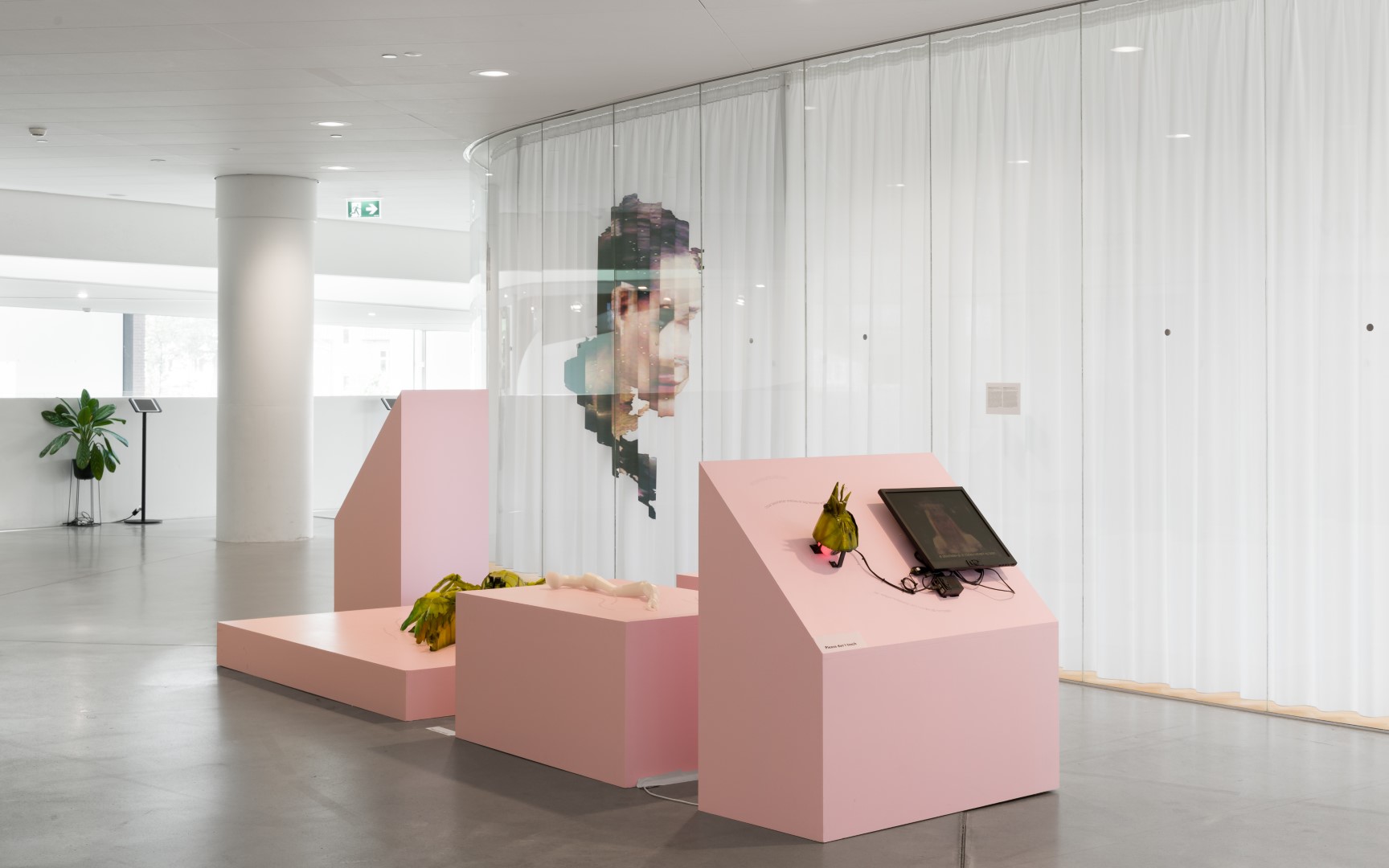
Signal Crayfish was presented as part of "Monstrous Machines," an exhibition on why new technologies provoke fear and how this impacts our perception of technology. The work featured electromagnetic pick-ups installed within body parts of a 3D-printed signal crayfish, comparing fears of digital transformation with concerns about invasive species.
The installation examined the concept of the "monstrous machine" - creatures that cross borders and assemble opposing parts, blurring categories to challenge perceptions of ourselves and technology. The signal crayfish served as a figure for both biological invasion and technological infiltration.
The work involved 3D-printing signal crayfish models equipped with electromagnetic sensing components. The electromagnetic pick-ups were integrated into the crayfish body parts, creating hybrid biological-technological entities that could detect and respond to electromagnetic fields in the environment.
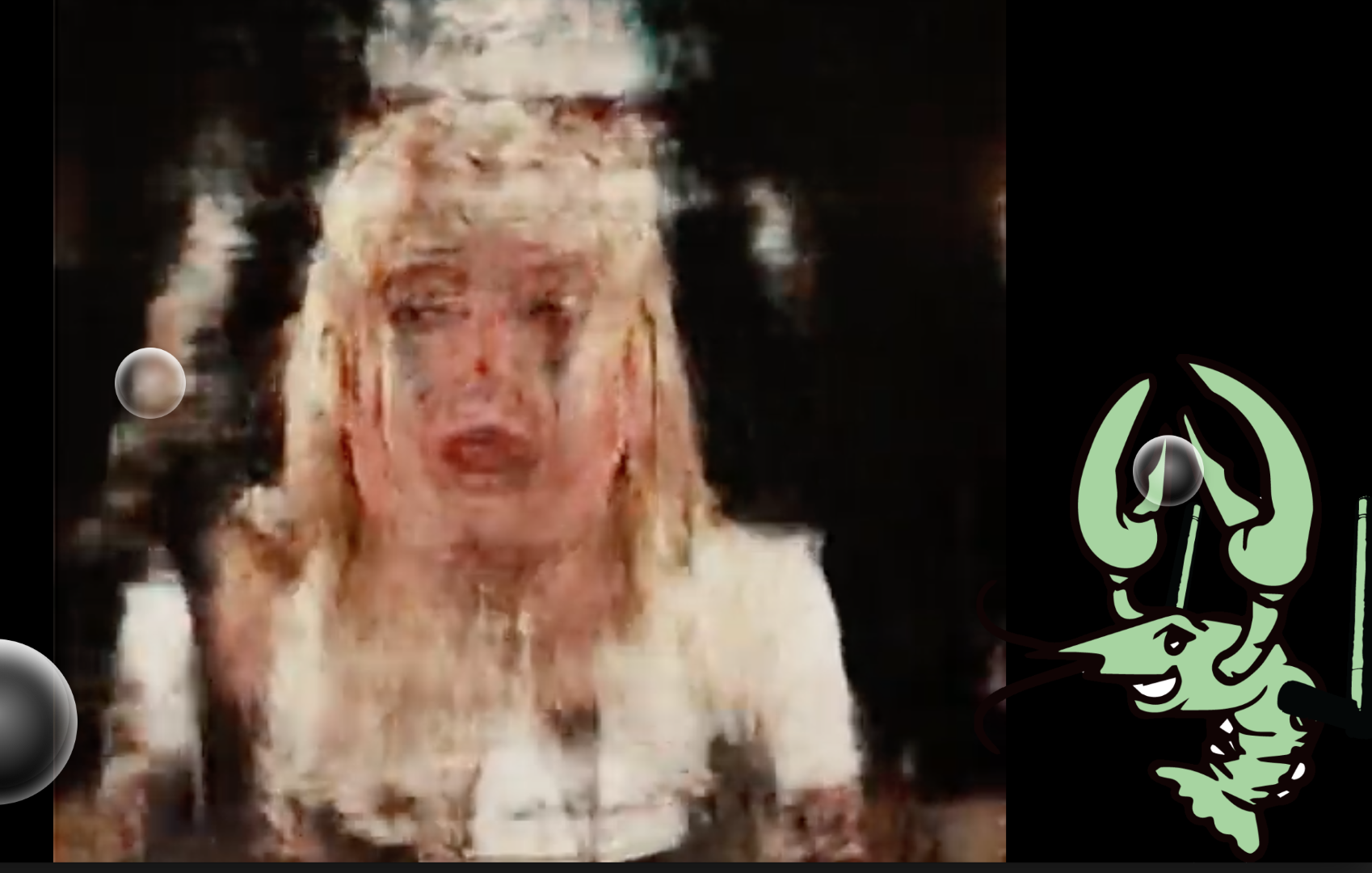
The installation operated both as physical presence at ARoS Public and as part of the parallel online exhibition, extending the work virtually with supplementary material. The piece functioned within the broader context of examining technological fears and the archetype of the monstrous machine.
The work was exhibited at ARoS Public's communication centre on the third floor from May to July 2021, alongside works by Danish and international artists including Lawrence Lek, Morehshin Allahyari, Stephanie Dinkins, and others. The exhibition was curated by Ida Schyum as the third presentation in Radar Contemporary's Extensions series. The project was documented in the publication "Radar Contemporary: Extensions vol I II III" by Dr. Omar Kholeif and art historian Ida Schyum.