Monuments of a Fictional Past (Kraków Edition)
Details10
- No.
- 0324
- Date
- 20 May 2025 – 1 Oct 2025
- Type
- Public space
- Place
- Kraków, Poland
- Series
- Monuments of a Fictional Past
- Group show
- 3rd International Art Festival of the Three Seas Initiative
- Support
- Supported by the Independent Research Fund Denmark and the HAIC-III project
- Thanks
- Festival curators and local collaborators
- Resembles
- 0199 Mundane Monsters
- Read as
- GREY 79%, MID, EVEN, SPARSE
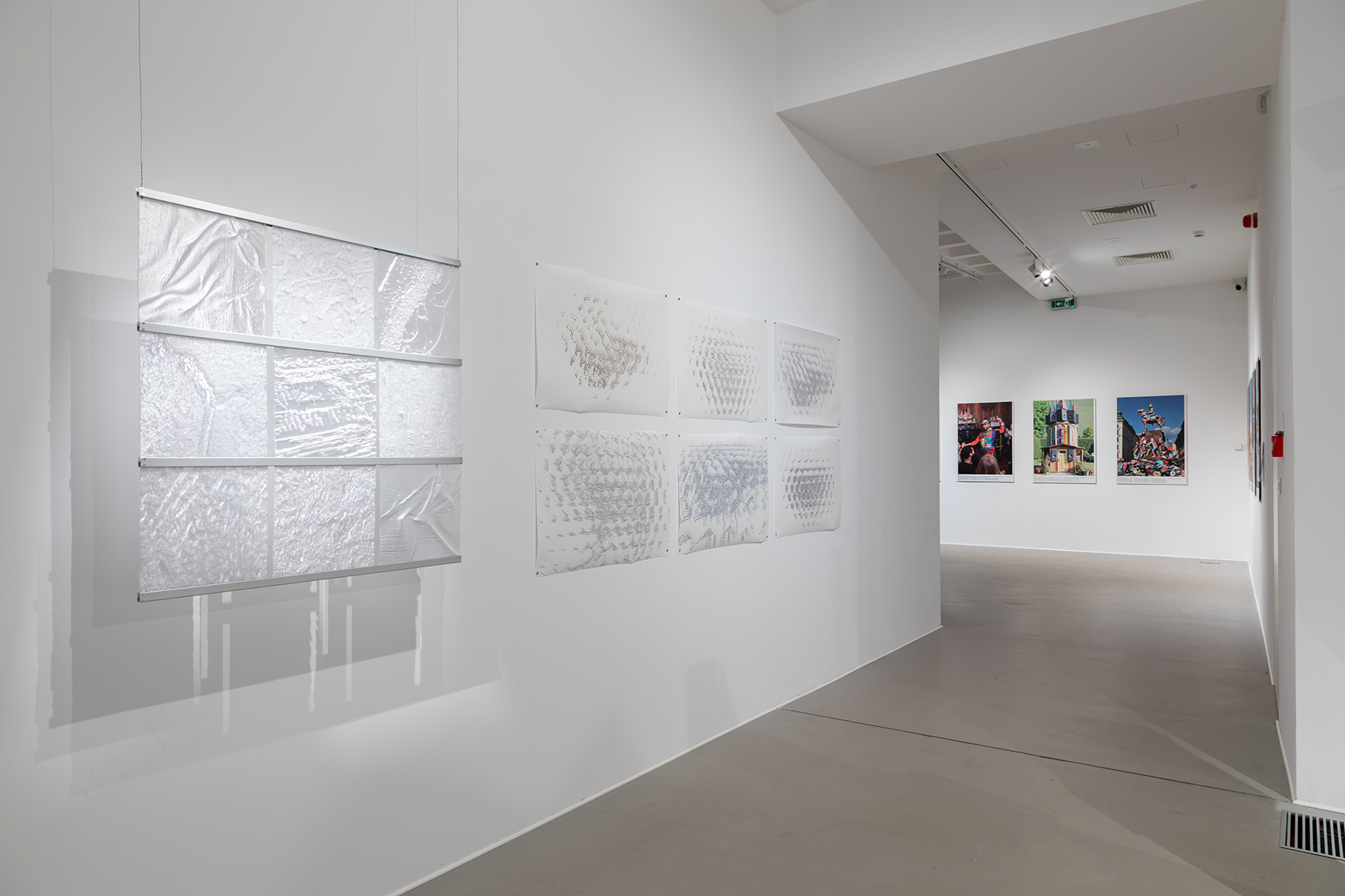
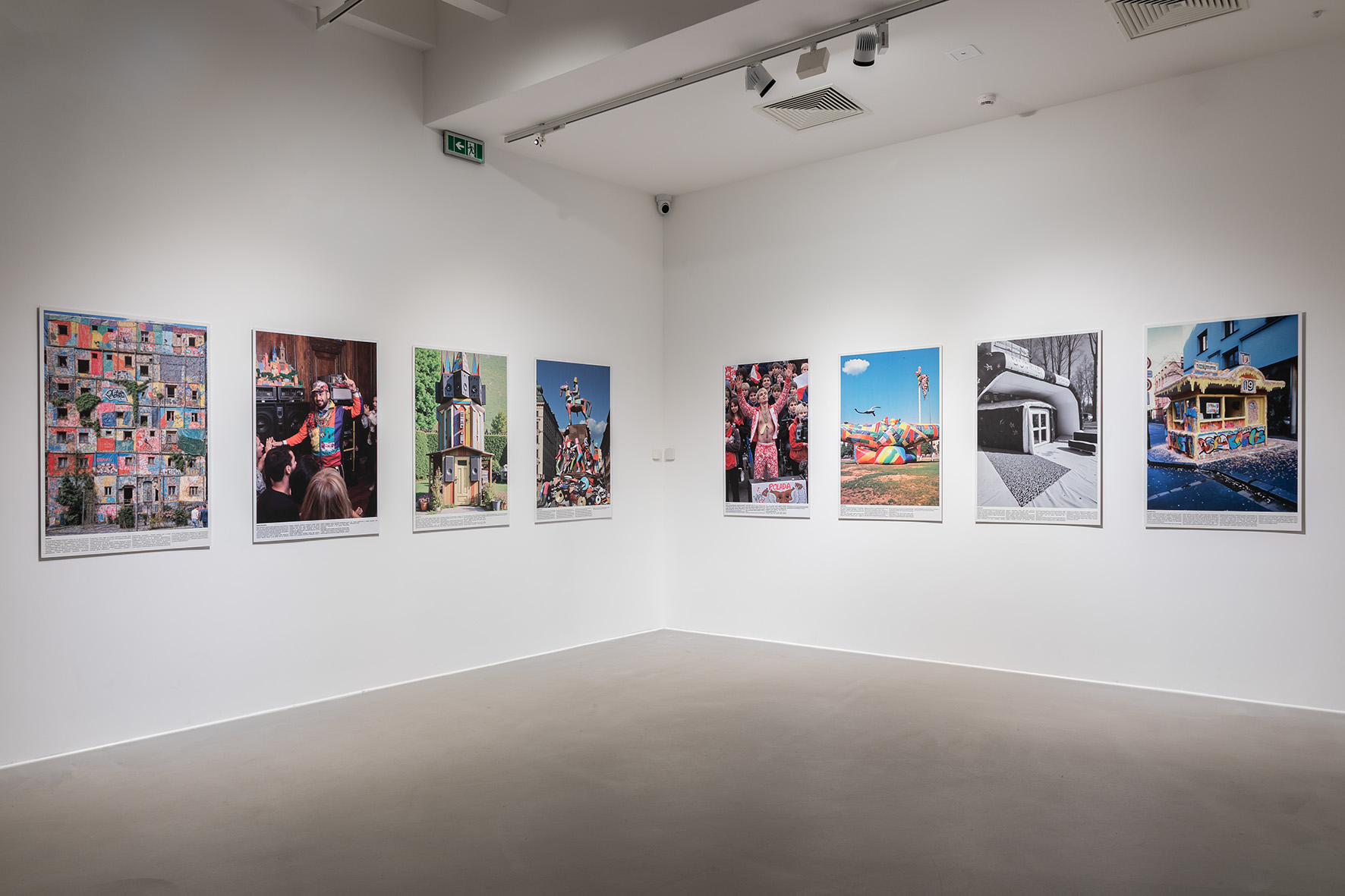
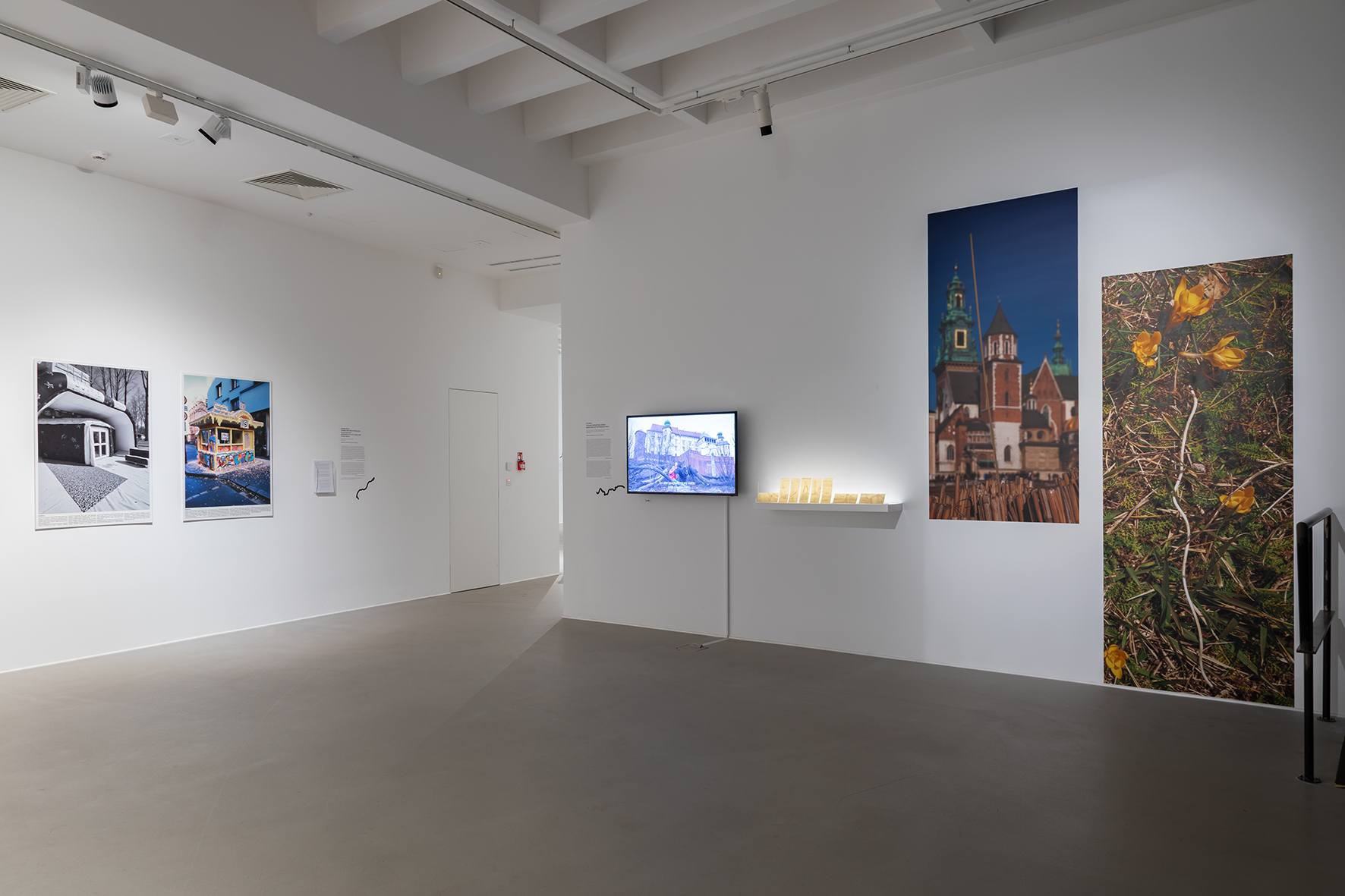
Monuments of a Fictional Past (Kraków Edition) is a speculative archive of ephemeral monuments that emerge, dissolve, and resurface across Kraków’s historical and imagined timelines. Staged as a series of narrative “figures,” the project invents and documents civic architectures that never existed—but perhaps could have. Each monument is situated in a specific district or moment in Kraków’s layered history, blending archival poetics with infrastructural speculation.
Drawing from oral traditions, urban legends, community memory, and the rhythms of collective life, these fictional monuments respond to the city’s socio-political transformations—from the post-socialist transition to contemporary shifts in governance, labor, and cultural expression. Some appear edible, some pneumatic, some built from sound or breath. None are permanent, but all leave residues—sonic, material, or narrative.
From the edible newspaper kiosks of the early 1990s, to inflatable civic galleries that require collective exhalation to take form; from modular monuments that transform in step with Kraków’s evolving modes of work, to reconfigured parliamentary spaces echoing the city's underground music traditions—the project maps an alternate civic landscape where imagination becomes a form of infrastructure.
Monuments of a Fictional Past references both the speculative tradition of counterfactual history and the architectural poetics of unrealized futures. The question it starts from is what kinds of monuments we need today. How might civic memory be shaped not by permanence and power, but by shared breath, transient gatherings, and structures built to dissolve?
Each figure is both a memory and a proposition—an echo of what might have been, and a sketch of what still could be.